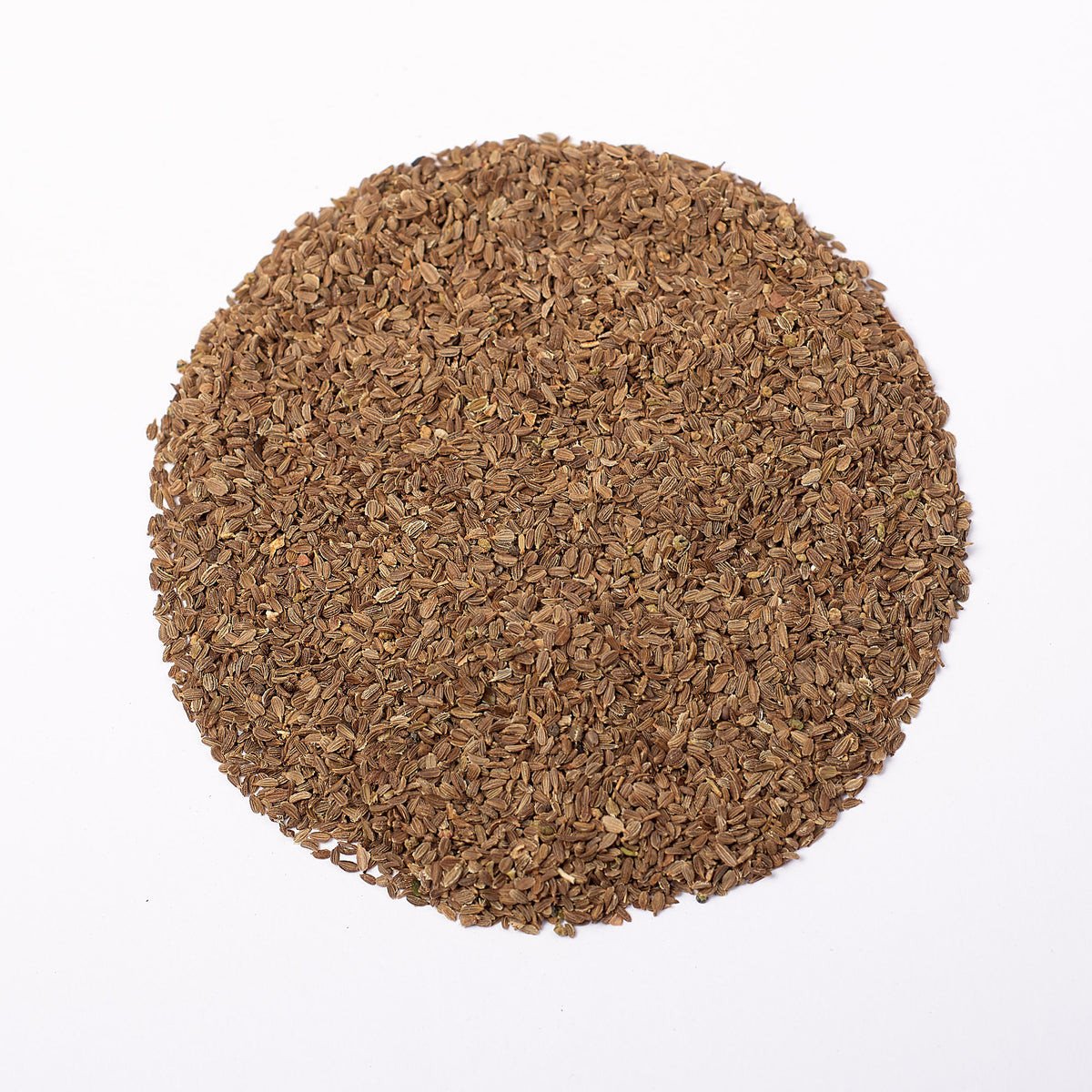
Carrot Microgreens Seeds
Carrot Microgreens Seeds
Couldn't load pickup availability
Carrot Flavour Without the Root
Carrot microgreens are the young shoots of Daucus carota, a member of the carrot family alongside dill, parsley and fennel. They start as fine stems with two long, narrow seed leaves; then come the first true leaves — tiny, feathery copies of a carrot top. The taste is mild and sweet with a light spicy aroma, clearly reminiscent of the root itself.
Carrot is one of the more patient microgreens, and it is worth being honest about that. You can cut at the seed-leaf stage, 5–8 cm tall, from about day 10–15 in warm, bright conditions. If you want the feathery true leaves and the fuller aroma that comes with them, allow two to three weeks. Both stages are good to eat — you decide when to stop.
Sowing is simple: no soaking and no weight. Spread 10 g of dry seed over an 11×18 cm container, keep it dark and warm for a few days, then give it strong light. Carrot likes warmth, sun and moisture — and, above all, fresh air. Each gram of seed gives about five grams of greens.
📋 Product Specifications
| Botanical name | Daucus carota |
| Common names | Carrot |
| Plant family | Apiaceae (carrot family) |
| Soaking | Not required |
| Growing medium | Linen, jute or hemp mat, cotton wool, gauze, coco coir |
| Seeding rate | 10 g dry seed per 11×18 cm container |
| Weighting | Not needed — just cover for darkness |
| Germination time | 3–5 days at 20–22 °C |
| First cut (seed-leaf stage) | From day 10–15 after sowing |
| True-leaf stage | About 2–3 weeks after sowing |
| Harvest height | 5–8 cm |
| Yield (dry seed : cut greens) | ≈ 1 : 5 |
| Light | Strong — a sunny windowsill or grow lamp |
| Key requirement | Good air circulation |
How to Grow Carrot Microgreens
Carrot is undemanding at sowing and asks for patience afterwards. It needs three things: warmth, strong light and fresh, moving air. Give it those and the only decision left is when to cut.
Step-by-Step Growing Guide
Prepare the mat
Line an 11×18 cm container (a berry punnet is ideal) with a linen, jute or hemp mat, cotton wool or coco coir. Mats work best. Moisten evenly and pour off the excess.
Sow dry and evenly
Scatter 10 g of dry seed over the surface. The seeds are small and light, so sow from a folded sheet of paper and avoid clumps.
Mist and cover
Spray with a fine mist so the seeds settle onto the mat. Cover the container with a lid or an empty box to keep it dark — no weight is needed.
Warm and dark for 3–5 days
Keep the container in a warm place at 20–22 °C. Lift the cover once a day to let in fresh air and check that the mat is still moist.
Move into strong light
As soon as most seeds have sprouted, uncover and move the tray to a sunny windowsill or under a grow lamp. Carrot loves light and warmth.
Water moderately, keep the air moving
Water as needed — ideally from below — so the mat stays moist but not wet. Leave space around the tray: carrot needs ventilation.
First cut from day 10–15
When the shoots are 5–8 cm tall, you can cut them just above the mat with sharp scissors. In a cooler room this takes a few days longer.
Or wait for the feathery leaves
For the first true leaves and a fuller carrot aroma, let the tray grow on to two or three weeks, keeping it evenly moist and well aired.
What’s in a Carrot Leaf
Like all green leaves, carrot greens contain carotenoids such as lutein and beta-carotene, together with chlorophyll. Their aroma comes from terpenes in the essential oil — the same family of compounds that makes a freshly pulled carrot smell the way it does. As a microgreen, all of this is cut seconds before it reaches the plate.
Carrot Taste From the Leaf
The greens carry the sweet, lightly spicy flavour of the root in a tender, leafy form — a pleasant surprise on the plate.
Two Harvest Stages
Cut early at the seed-leaf stage, or wait for the feathery true leaves. One sowing, two different looks and intensities.
Carotenoids of a Green Leaf
Carrot greens contain lutein and beta-carotene, the pigments found alongside chlorophyll in leafy vegetables.
The Easiest Sowing
No soaking and no weight: scatter the dry seed, mist, cover — that is all the preparation there is.
Flavour Without Extra Salt
A sweet, aromatic garnish makes salads, grains and soups taste fuller, so you can ease off the salt.
Mild Enough for Everyone
There is no heat or bitterness, which makes carrot one of the microgreens children tend to accept.
🧬 What’s Inside
| Pigments | Carotenoids (lutein, beta-carotene), chlorophyll |
| Aroma compounds | Terpenes of the essential oil |
| Plant family | Apiaceae — related to dill, parsley, fennel and celery |
| Edible part | The cut shoot — stem and leaves |
How to Use Carrot Microgreens
Their sweet, mild taste goes with almost anything. Use them raw, added at the end, wherever a dish would welcome a note of carrot and fresh herbs.
🥗 Salads
- Grated carrot salad, for a double carrot note
- Green salads with a honey-mustard dressing
- Coleslaw
🍚 Grains & Vegetables
- Rice, bulgur and couscous
- Roasted root vegetables
- Steamed peas and new potatoes
🐟 Fish & Meat
- Baked salmon or white fish
- Roast chicken
- Lamb with yoghurt sauce
🍲 Soups
- Carrot and ginger soup, as a topping
- Lentil soup
- Chicken broth
🥤 Smoothies & Sauces
- Smoothies with apple, orange and carrot
- Carrot-top style pesto
- Yoghurt and tahini sauces
🍰 Sweet Dishes
- Carrot cake, as a fresh garnish
- Raw and vegan desserts
- Porridge with honey and nuts
Frequently Asked Questions
Share